In construction, even a small miscalculation can snowball into serious financial trouble. A material cost spike here, an unexpected delay there, and suddenly your profit margin has evaporated. For contractors managing multiple jobs at once, the challenge isn’t just tracking costs after the fact. It’s predicting them accurately before they happen.
That’s where modern ERP systems come in. By centralizing job data, tracking expenses in real time, and applying analytics to historical trends, construction ERP solutions give teams the visibility they need to forecast costs with confidence and keep cash flowing smoothly.
Why Cost Forecasting Matters in Construction
Unlike other industries where products and pricing stay relatively stable, construction projects are constantly shifting. Subcontractor availability changes, material prices fluctuate, and weather delays can push timelines back by weeks. Without a clear way to anticipate these shifts, you’re left reacting instead of planning.
Accurate cost forecasting helps you stay ahead of the curve. It allows you to spot potential overruns before they happen, adjust budgets proactively, and make smarter decisions about labor, materials, and scheduling. When your forecasts are grounded in real data, not guesswork, you can bid more competitively and protect your bottom line on every job.
The Problem with Manual Forecasting
Many contractors still rely on spreadsheets, past estimates, and gut instinct to predict project costs. While experience certainly matters, manual methods have serious limitations. They’re slow, prone to human error, and often based on outdated or incomplete information.
Think of it like trying to navigate a job site with last month’s blueprints. The foundation might be the same, but if the plans have changed and you don’t know it, you’re going to run into problems. The same goes for cost forecasting. If your data isn’t current or your inputs aren’t accurate, your forecasts won’t be either.
Manual forecasting also makes it hard to account for variables across multiple projects. When you’re juggling five or ten jobs at once, each with its own moving parts, trying to track everything in separate files becomes a recipe for missed details and budget surprises.

How ERP Systems Improve Cost Forecasting
An ERP system built for construction brings all your project data into one place. Job costs, purchase orders, labor hours, subcontractor invoices, change orders, and more are tracked in real time and connected across every job. This centralized approach gives you a complete, up-to-date view of where your money is going and where it’s headed next.
Real-Time Data Means Real Accuracy
With Acumatica-powered ERP solutions, cost data updates automatically as transactions happen. When a material order is placed, when a timesheet is submitted, or when a vendor invoice arrives, the system captures it instantly. That means your forecasts are always based on the latest information, not last week’s snapshot.
This real-time visibility is especially valuable on long-term projects. Instead of waiting until month-end to see if you’re over budget, you can monitor costs daily and course-correct before small issues turn into big problems.
Analytics That Reveal Patterns
One of the biggest advantages of using ERP for cost forecasting is the ability to analyze historical data. Modern systems don’t just store numbers. They help you identify trends, compare actual costs to estimates, and understand where your forecasts tend to go off track.
For example, you might notice that material costs on commercial projects consistently run 8% higher than estimated during certain months. Or that labor hours for a specific type of work regularly exceed the original budget. These insights allow you to build more accurate forecasts by learning from past performance, not just hoping things stay on track.
Better Cash Flow Management
Cash flow problems are one of the most common reasons construction businesses struggle, even when they’re winning bids and completing jobs. The issue isn’t always profitability. It’s timing. If your invoices go out late, your payments come in slow, or your costs hit faster than expected, you can find yourself short on cash even with work in the pipeline.
ERP systems help by giving you a clearer picture of cash flow timing. You can see when expenses are scheduled to hit, when customer payments are expected, and where potential gaps might appear. This visibility allows you to plan ahead, whether that means adjusting payment terms, securing a line of credit, or prioritizing certain invoices.
For homebuilders managing multiple projects with staggered timelines, or commercial contractors coordinating large-scale jobs with extended payment schedules, this kind of foresight is critical.

Practical Steps to Start Forecasting Smarter
Getting started with ERP-based cost forecasting doesn’t require a complete overhaul of how you work. It starts with centralizing your data and building the right processes around it.
- Begin by tracking all job costs in one system, from labor and materials to subcontractor fees and equipment rentals. The more complete your data, the more accurate your forecasts will be.
- Set up budget benchmarks for each project phase and compare actual spending against those benchmarks regularly. This helps you catch variances early and adjust before they compound.
Use historical data from past projects to inform your estimates. If similar jobs have consistently come in over or under budget in certain areas, factor that into your planning. Don’t just rely on vendor quotes or industry averages. Use your own track record as a baseline.
Finally, make forecasting a team effort. When project managers, estimators, and accounting staff are all working from the same system, everyone has visibility into the same numbers. This collaboration reduces miscommunication and ensures that forecasts reflect reality on the ground, not just assumptions in the office.
Real-World Impact
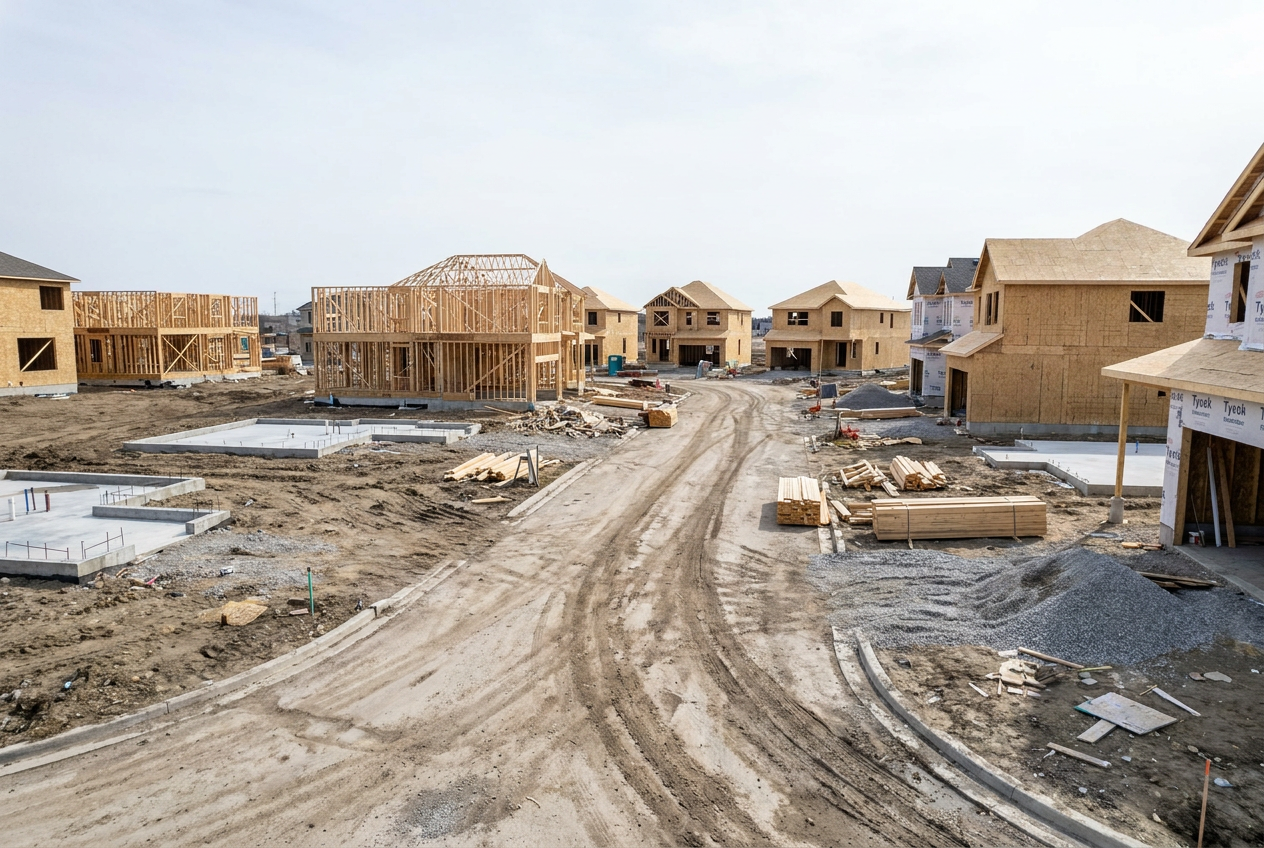
Consider a mid-sized residential contractor managing six active builds at once. Before implementing an ERP system, their cost tracking was scattered across spreadsheets, paper invoices, and separate accounting software. Forecasting meant pulling reports manually, reconciling discrepancies, and hoping nothing fell through the cracks.
After moving to a construction-focused ERP platform, they gained real-time visibility into every job. They could see which homes were trending over budget, where material costs were spiking, and which subcontractors were running behind schedule. Armed with that information, they adjusted their approach mid-project, renegotiated certain contracts, and tightened up their forecasting process for future builds.
The result? Fewer budget surprises, better cash flow management, and more confidence when bidding on new work. They didn’t just save money. They gained control.
Take the Next Step
If you’re tired of chasing numbers, scrambling to cover unexpected costs, or wondering where your cash flow went, it’s time to rethink how you forecast. An ERP system tailored for construction gives you the data, the analytics, and the visibility you need to predict costs accurately and manage your business with confidence.
At DC Tech Group, we specialize in setting up Acumatica ERP solutions that fit the way contractors, builders, and field service teams actually work. Whether you’re managing commercial projects, coordinating field service operations, or running residential builds, we’ll help you build a system that keeps every job on budget and every forecast grounded in reality.
Ready to take control of your project costs? Get in touch with us today and let’s talk about how the right ERP system can transform the way you plan, forecast, and grow.